- Breast Cancer: The first thing is the early detection of the disease, and as a result, targeted treatments and systemic management can be done by experienced cancer specialists.
- Lung Cancer: Overall check-up with treatment options such as chemotherapy, targeted therapy, or immunotherapy, all of which are guided by the best cancer specialist in Mumbai.
- Gastrointestinal Cancers: The treatment of colorectal, stomach, liver, and pancreatic cancers through effective use of drug protocols.
- Gynaecological Cancers: The treatment of ovarian, cervical, and uterine cancers with chemotherapy plans that are supported by evidence.
- Head & Neck Cancers: Healing process that includes medical oncology, surgery, and radiation.
- Lymphomas & Leukemias: A complete and detailed diagnostic process with treatment phases monitored by top medical oncologists in Mumbai.
- Prostate & Urological Cancers: Systemic therapy that combines hormonal and immunotherapy treatment along with disease staging is carried out by the top cancer specialists in Mumbai.
- Metastatic & Advanced Cancers: Treatment options that mainly take into account the patient's symptoms as well as disease control and are designed to improve the patient's quality of life for an extended period of time.
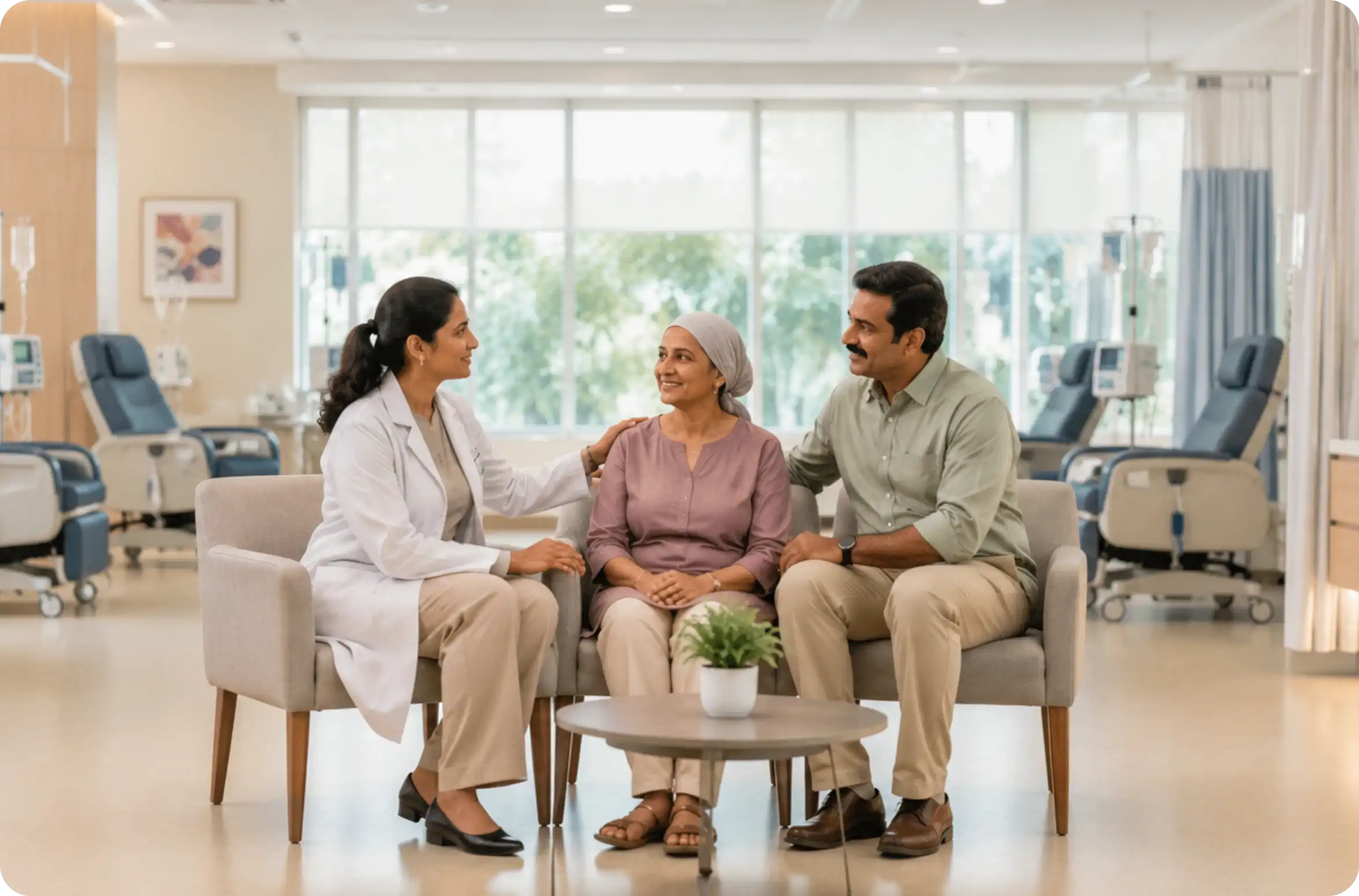
The medical oncology department at the Holy Family Hospital is the place for all systemic cancer treatments done by the best medical oncologists in Mumbai. Our hospital is a leading medical cancer center in Mumbai where we offer various services such as chemotherapy, hormonal therapy, targeted therapy, and immunotherapy treatment in Mumbai at your convenience, safety and with love. Our consultants are the most recognized cancer specialists providing you treatment plans tailored to your stage of cancer.
Chemotherapy
Advanced cancer treatment using specialised medicines to destroy cancer cells while ensuring safe, monitored, and personalised patient care.
Targeted Therapy
Precision-based cancer treatment targeting specific tumour markers to block cancer growth with fewer side effects.
Immunotherapy
Innovative treatment that strengthens the immune system to identify, attack, and destroy cancer cells effectively.
Hormonal Therapy
Specialised treatment for hormone-sensitive cancers that helps slow tumour growth and support long-term disease control.
Supportive Care
Comprehensive support including pain relief, nutrition, counselling, infection prevention, and side-effect management during treatment.
Multidisciplinary Tumour Board
Collaborative cancer care planning by expert specialists to create personalised and effective treatment strategies.
Our Doctors
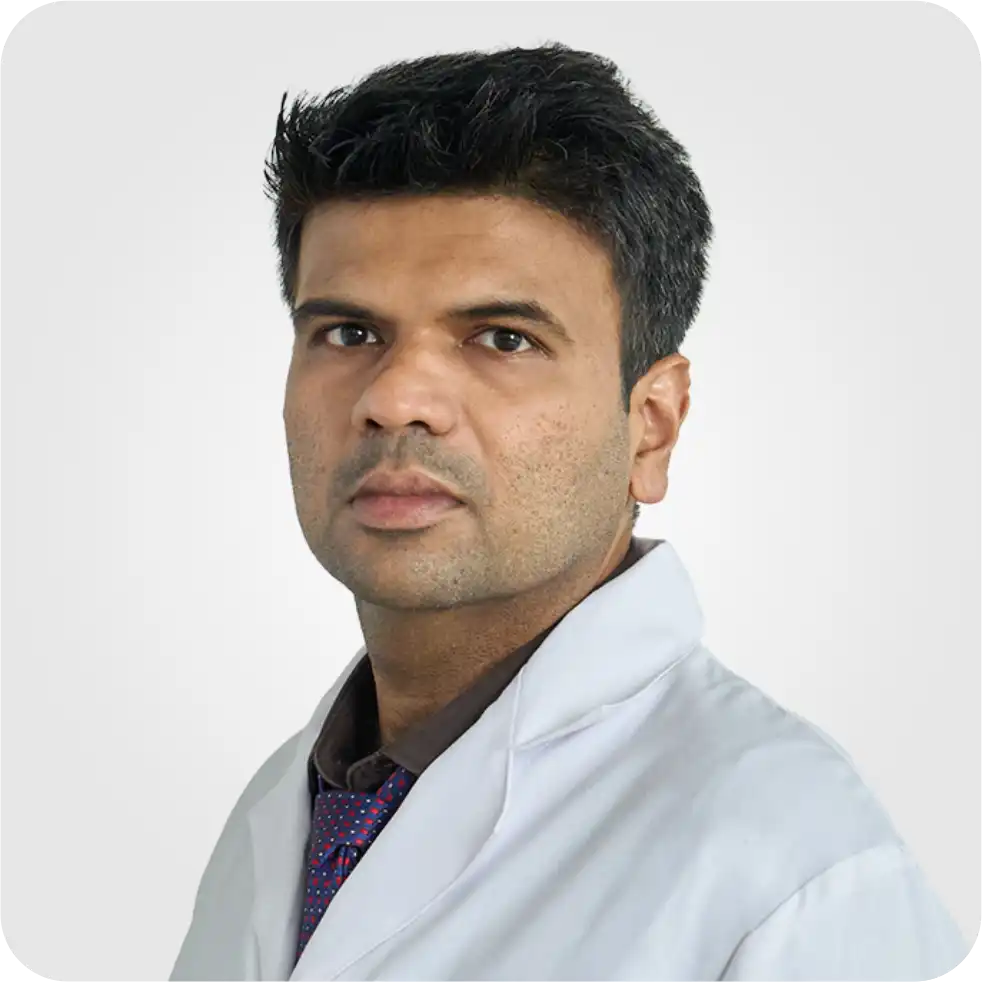
Meet our experienced specialists dedicated to delivering expert medical care, compassionate guidance, and personalized treatment support for every stage of your health journey.


FAQs
Explore expert-backed answers to frequently asked questions related to medical conditions, treatment options, recovery, and overall patient care.
What cancer treatments does the medical oncology department provide?
It provides systemic cancer treatments, including chemotherapy, targeted therapy, immunotherapy and hormonal therapy, with plans tailored to the stage of cancer.
How does targeted therapy differ from chemotherapy?
Targeted therapy blocks specific tumour markers to stop cancer growth, usually with fewer side effects, while chemotherapy uses medicines to destroy fast-growing cancer cells.
How does immunotherapy work?
Immunotherapy strengthens the body's immune system so it can identify, attack and destroy cancer cells more effectively.
Which cancers are treated by medical oncologists here?
The department treats breast, lung, gastrointestinal, gynaecological, head and neck, prostate and urological cancers, lymphomas, leukaemias, and metastatic or advanced cancers.
When is hormonal therapy used?
Hormonal therapy is used for hormone-sensitive cancers, helping slow tumour growth and support long-term disease control.
What is a multidisciplinary tumour board?
It is a meeting where specialists from different cancer disciplines jointly review a case and plan a personalised, effective treatment strategy.
Is supportive care available during cancer treatment?
Yes, supportive care includes pain relief, nutrition, counselling, infection prevention and side-effect management to help patients through treatment.