Stroke Symptoms Explained: When to Visit a Neurologist Immediately
Introduction
A stroke can happen to anyone, at any age, and without much warning. One moment you feel fine, and the next, something feels deeply wrong a sudden numbness, confusion, or trouble speaking. These are not just "signs of stress." These are your body's urgent signals that something is happening in your brain right now.
Knowing when to act can be the difference between full recovery and permanent disability. If you or someone around you experiences any of the symptoms discussed here, do not wait. Seek emergency neurology care without delay.
What Happens During a Stroke?
The brain is one of the most active organs in the body. It depends on a constant, uninterrupted supply of blood. A stroke occurs when the supply is either blocked (ischaemic stroke) or when a blood vessel bursts (haemorrhagic stroke). Within minutes, brain cells begin to die. That is why time is not just important, it is everything.
Understanding the causes can help you take steps to reduce your personal risk. High blood pressure, diabetes, smoking, obesity, and high cholesterol are among the most common triggers. Stress, a sedentary lifestyle, and poor sleep can silently build up over the years until the body gives way.
Warning Signs You Must Never Ignore
Stroke symptoms appear suddenly and often feel strange or disorienting. Here is what to watch for:
• Sudden numbness or weakness on one side of the face, arm, or leg
• Slurred speech or difficulty understanding what others are saying
• Blurred or double vision in one or both eyes
• Severe headache with no known cause, sometimes described as "the worst headache of my life"
• Loss of balance, dizziness, or sudden trouble walking
Doctors and patients worldwide use the FAST method to quickly identify a stroke:
• F — Face drooping
• A — Arm weakness
• S — Speech difficulty
• T — Time to call for help
If even one of these is present, please go to the nearest brain specialist in Mumbai or a stroke-ready hospital immediately.
When Should You See a Neurologist?
Not every headache is a stroke, but some signs should never be dismissed. You should see a neurologist if you experience sudden neurological symptoms, even briefly. These short episodes, called TIAs or "mini-strokes," are serious warning signs that a larger stroke is coming.
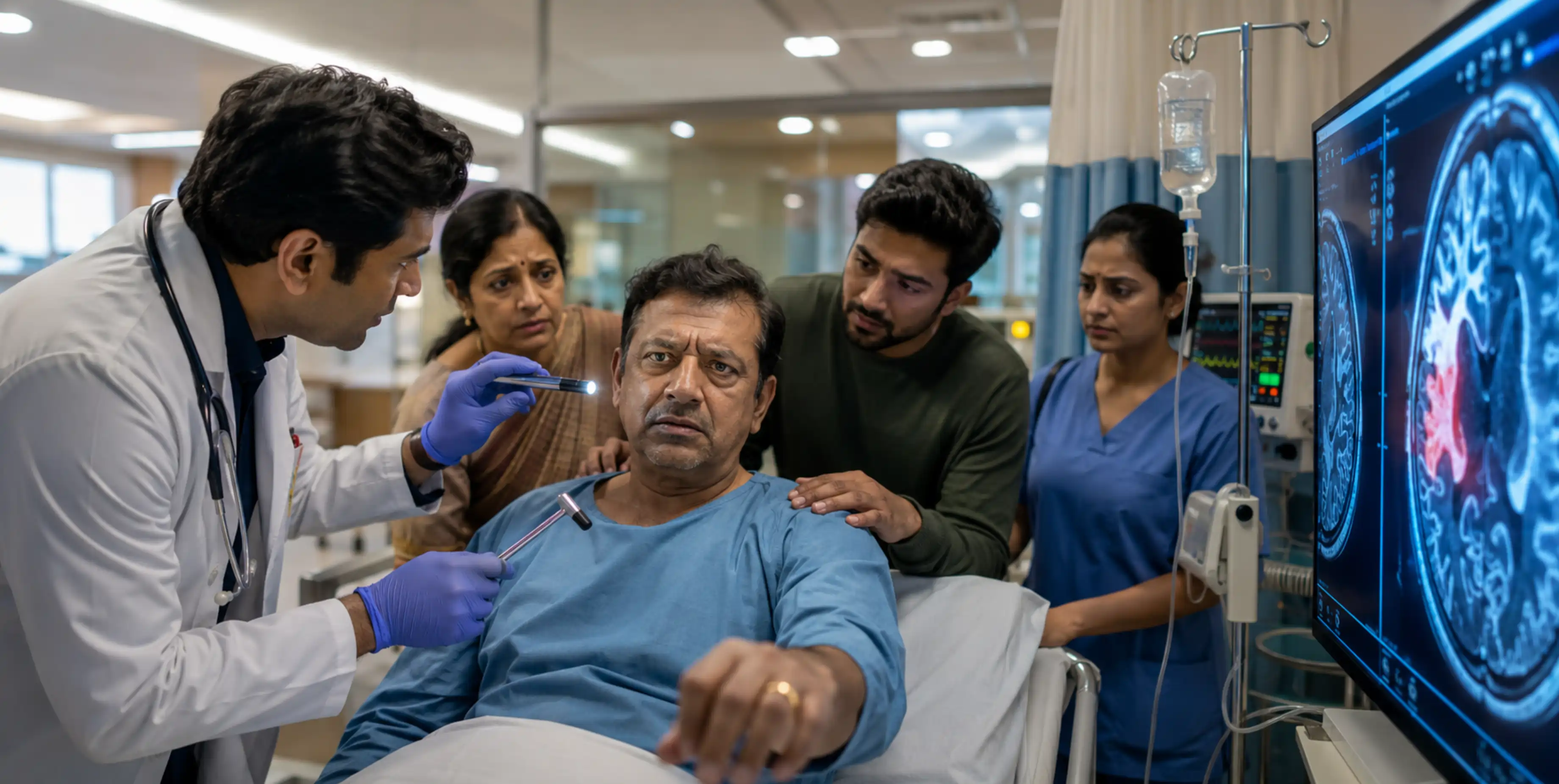
A qualified or best neurologist hospital in Mumbai will conduct imaging tests like CT scans and MRIs to diagnose the condition accurately and quickly, allowing doctors to begin treatment before permanent damage sets in.
Stroke Treatment Options Available Today
Modern neurology has transformed how strokes are managed. When a patient arrives early, doctors can administer clot-busting medicines (tPA), perform mechanical thrombectomy to remove blockages, or manage bleeding surgically. The first 4.5 hours after a stroke are called the "golden window," and treatment during this time dramatically improves outcomes.
Stroke treatment in Mumbai has advanced significantly, with several hospitals now equipped with dedicated stroke units, 24/7 neuroimaging, and intervention teams trained to act fast.
Stroke Recovery and Rehabilitation
Surviving a stroke is the first step. What comes next is recovery, which requires patience, expert guidance, and a structured plan. Stroke recovery treatment in Mumbai typically includes physiotherapy to rebuild motor skills, speech therapy for communication challenges, occupational therapy to restore daily function, and psychological counselling to support emotional health.
Recovery is not linear. Some patients regain most of their abilities within weeks; others take months. But with the right team and consistent effort, significant improvement is possible for most survivors.
Practical Tips to Support Recovery at Home:
• Follow your neurologist's medication schedule without skipping doses
• Engage in approved physiotherapy exercises daily, even if progress feels slow
• Keep blood pressure, sugar, and cholesterol within recommended limits
• Maintain a brain-healthy diet of fresh vegetables, whole grains, lean proteins, and healthy fats
• Avoid smoking and limit alcohol completely during recovery
• Get adequate sleep, the brain heals most during rest
• Stay emotionally connected; social support speeds up neurological recovery
Conclusion
A stroke is a medical emergency, and the way you respond in those first few minutes shapes everything that follows. Recognising the signs, acting fast, and getting the right care quickly can save a life and protect long-term quality of life. Whether you are seeking emergency neurology care after an acute event or exploring a stroke recovery checkup in Mumbai for a loved one, do not delay. Your brain deserves the best, and expert help is closer than you think.