Monsoon Diseases in India: Prevention Tips, Warning Signs & When to Visit a Hospital
The first heavy rains bring relief from the heat, and right behind them comes a predictable spike in infections. Most years look the same — a run of fevers that people assume is "just viral" until it clearly isn't. Mumbai's monsoon months see hospitals report a consistent rise in dengue, malaria, typhoid, and gastroenteritis cases every year, which is exactly why recognising the early signs matters as much as treating the illness itself.
Common Monsoon Diseases in India
• Dengue – spread by mosquitoes that breed fastest in stagnant water
• Malaria – another mosquito-borne illness common this time of year
• Typhoid – usually from contaminated food or water
• Leptospirosis – linked to wading through flooded or dirty water
• Viral fever and flu – brought on by sudden humidity and temperature shifts
• Gastroenteritis – from waterborne bacteria that thrive during monsoon
Holy Family Hospital's General Medicine department treats exactly this cluster of infections — viral fever, dengue, malaria, influenza, typhoid, and unexplained fevers — through structured, confirmatory diagnostic testing rather than guesswork.
Signs That Mean More Than "Just a Viral"
• Fever lasting beyond two days
• Body ache severe enough to keep you in bed
• Vomiting or diarrhoea that won't let up
• A rash showing up alongside fever
• Fatigue that feels disproportionate to how "mild" the illness seems
• Yellowing of the eyes or skin
A fever past 102°F, bleeding gums, sharp abdominal pain, or trouble breathing none of that is something to wait out at home.
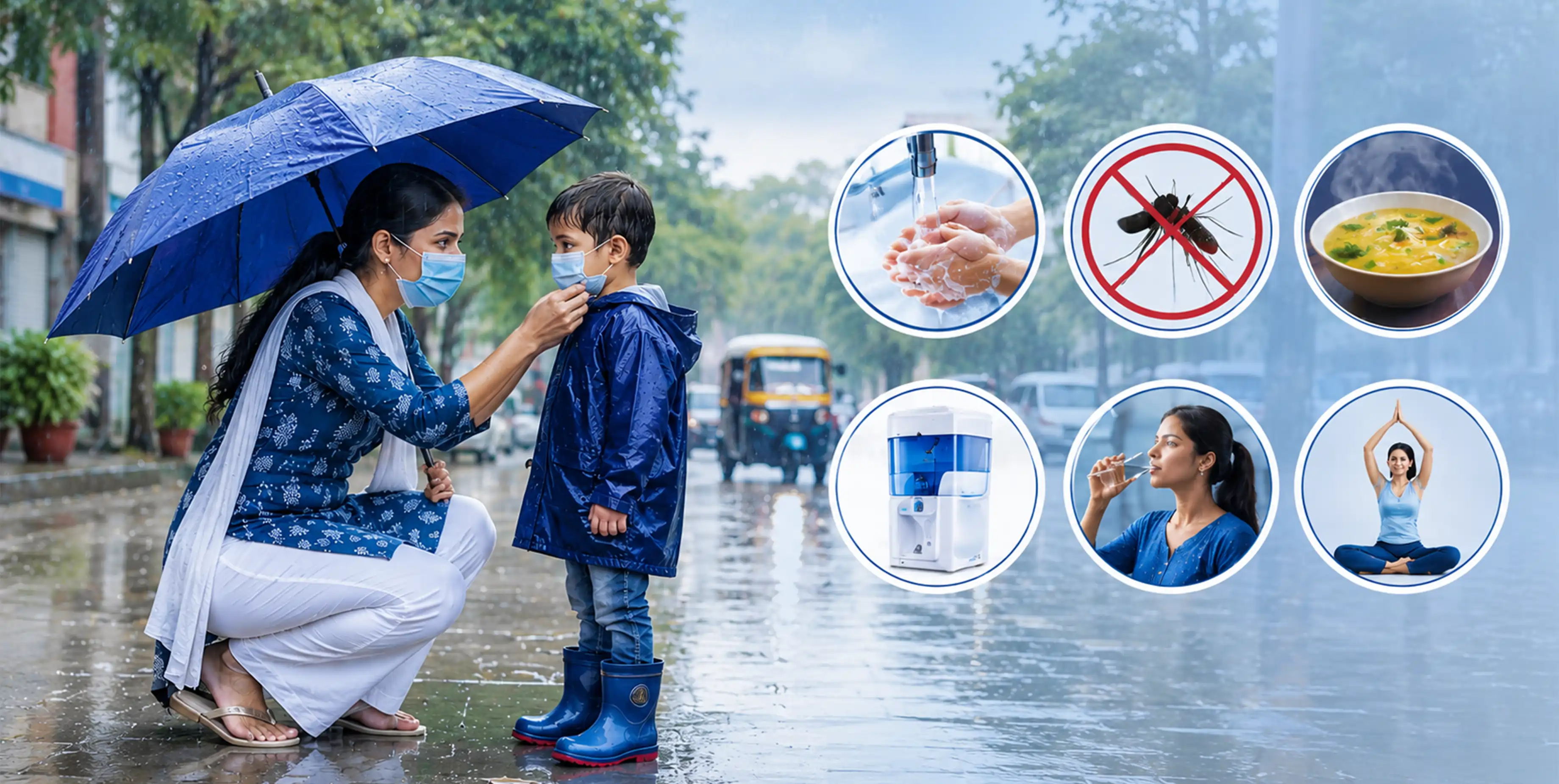
Monsoon Health Tips That Genuinely Reduce Risk
• Avoid standing or flood water where possible
• Stick to boiled or filtered water only
• Don't let water collect anywhere near your home
• Eat freshly cooked food and skip street food during heavy spells
• Cover skin wounds if you've been near floodwater
Knowing When to Search "Hospital Near Me"
The moment symptoms move past routine viral fever territory high fever, breathing trouble, or anything lasting beyond 48 hours. It's worth typing "hospitals near me" rather than waiting another day. Dengue and leptospirosis outcomes change a lot depending on how early they're caught.
Why a General Physician Should Be Your First Stop
A general physician hospital in Mumbai can run the basic tests needed to tell viral fever apart from dengue or typhoid early on, instead of everyone guessing based on symptoms that look nearly identical at first. Holy Family Hospital's general medicine consultants Dr. Alan Soares, Dr. Anupama Sardana, Dr. Conrad Rui Vas, Dr. Koulsoum Houssein, Dr. Rajesh Uchil, Dr. Sanah Merchant, Dr. Vinay Parvatkar, and Dr. Poonam Vira Makhija see this pattern every monsoon season and know what to test for first.
When It's Genuinely an Emergency
Breathing difficulty, chest pain, severe dehydration, or a sudden drop in blood pressure these call for emergency care hospital in Mumbai, not a wait-and-watch approach, especially with monsoon infections that can worsen quickly. The emergency department at Holy Family Hospital operates 24x7 for exactly this reason.
Using AI Health Advice the Right Way
AI health advice tools can help you make sense of symptoms while deciding whether to see a doctor. They're a decent first filter just not the final word once fever crosses two days.
Extra Caution for High-Risk Groups
Children, elderly patients, and anyone managing diabetes or heart disease tend to deteriorate faster once a monsoon infection takes hold, simply because their bodies have less reserve to fight back with. Pregnant women fall into this higher-risk category too dengue and malaria in particular carry added risk during pregnancy, which is one reason Holy Family Hospital's High-Risk Pregnancy Clinic keeps a close watch on expectant mothers through the monsoon months rather than waiting for symptoms to escalate.
For all these groups, the general rule shifts a little: don't wait the usual two days before getting checked. A same-day consultation, even for what looks like a routine fever, is the safer default.