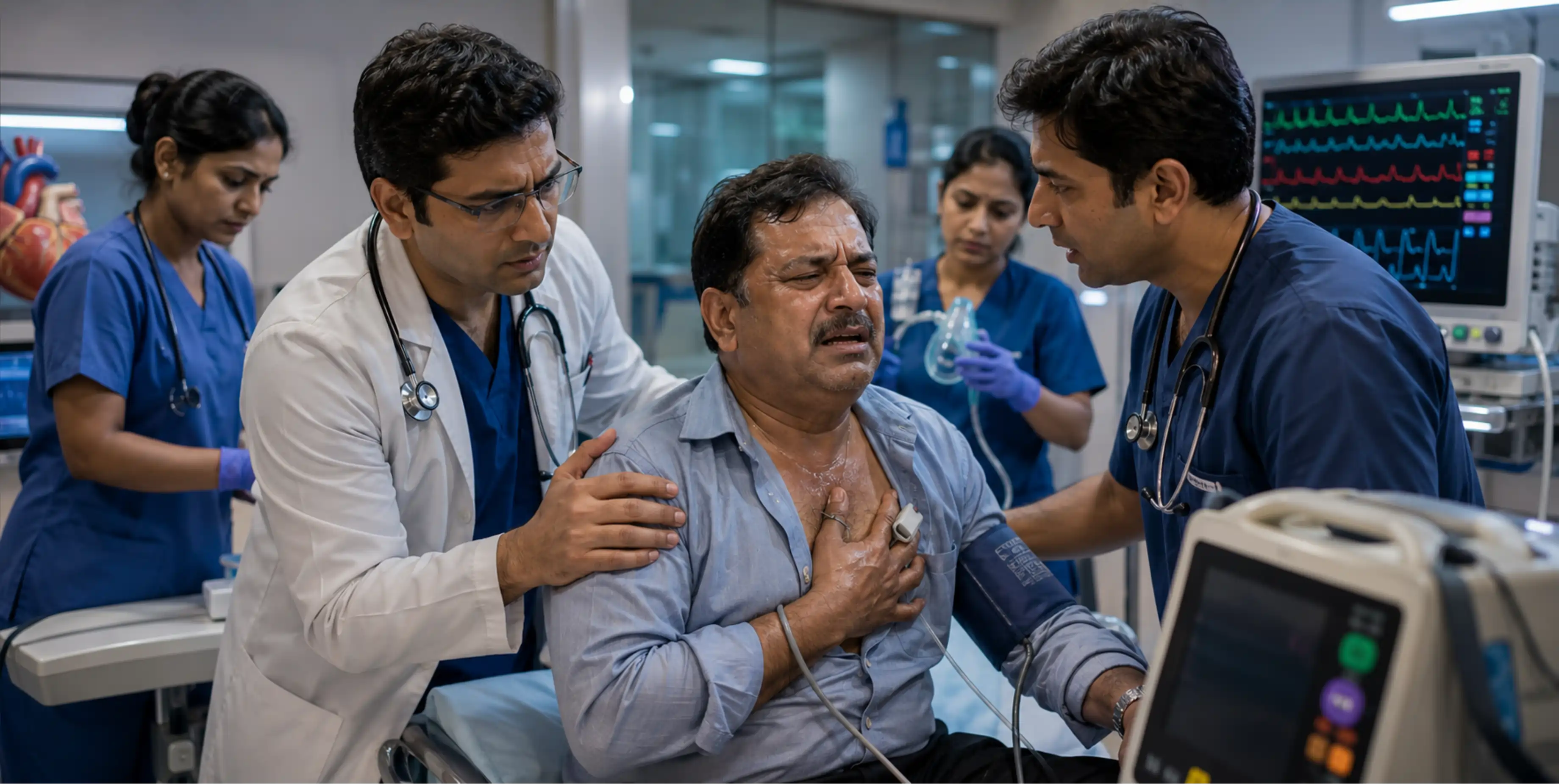
10 Warning Signs of a Heart Attack You Should Never Ignore
Introduction
Every year, thousands of people miss the early signs of a heart attack simply because they didn't know what to look for. A heart attack doesn't always arrive with dramatic, movie-style chest clutching. Sometimes it creeps in quietly, a little discomfort here, some breathlessness there. And that's exactly what makes it so dangerous.
If you or someone you love has ever brushed off unexplained fatigue or mild chest pain, this blog is for you. Knowing the heart attack warning symptoms early can genuinely save a life.
What Causes a Heart Attack?
A heart attack happens when blood flow to a part of the heart gets blocked, usually by a buildup of fat, cholesterol, and other substances forming a plaque in the arteries. When that plaque ruptures, a clot forms and blocks blood from reaching the heart muscle tissue.
Common risk factors include:
• High blood pressure and high cholesterol
• Smoking and excessive alcohol use
• Diabetes and obesity
• A sedentary lifestyle or chronic stress
• A family history of heart disease
Understanding these causes helps you assess your own risk and take action before it's too late.
10 Warning Signs You Should Never Ignore
Recognising heart attack warning signs early is the difference between a full recovery and a life-threatening emergency. Here are the signs to watch for:
1. Chest Pain or Pressure: This is the most recognised symptom. Chest pain and heart attack are closely linked. Most people describe it as a squeezing, tightening, or heavy pressure in the centre or left side of the chest. It may last a few minutes or come and go.
2. Pain Radiating to the Arm, Jaw, or Back: Discomfort doesn't always stay in the chest. It can travel to the left arm, shoulder, jaw, neck, or upper back.
3. Shortness of Breath: Feeling breathless without physical exertion, even while resting is a red flag, especially when paired with chest discomfort.
4. Unusual Fatigue: One of the more subtle early signs of a heart attack, especially in women, is extreme tiredness that has no clear reason.
5. Nausea or Vomiting: Many people mistake this for a stomach issue. But nausea paired with other symptoms deserves immediate attention.
6. Cold Sweats: Breaking into a sudden cold sweat without physical activity is a warning that the body is under stress.
7. Dizziness or light-headedness: Feeling faint or unsteady, particularly alongside chest discomfort, should never be ignored.
8. Heart Palpitations: A racing, fluttering, or irregular heartbeat can signal that something is seriously wrong.
9. Swelling in the Legs or Feet: Fluid retention, especially in the lower limbs, can point to a weakening heart.
10. Anxiety or a Sense of Doom: Many heart attack survivors describe an unexplained feeling that something was terribly wrong trust that instinct.
Treatment Options for a Heart Attack
Acting fast is everything. The moment you suspect a heart attack, call emergency services immediately. Do not wait to "see if it gets better."
Medical treatments may include:
• Clot-busting medications (thrombolytics) to restore blood flow
• Angioplasty and stenting to open blocked arteries
• Bypass surgery for more severe cases
• Cardiac rehabilitation for long-term recovery
If you're in Maharashtra, seeking heart attack treatment in Mumbai from a specialised cardiac centre gives you access to advanced interventional cardiology, round-the-clock emergency care, and experienced cardiac surgeons, all critical in the first few hours.
How to Protect Your Heart — Practical Tips
Prevention is the most powerful medicine. Here's how to take care of your heart every single day:
• Eat heart-healthy: Include fruits, vegetables, whole grains, and healthy fats. Limit salt, sugar, and fried foods.
• Stay active: Even 30 minutes of brisk walking five days a week makes a significant difference.
• Quit smoking: Smoking doubles your risk of a heart attack. There's no safe limit.
• Manage stress: Chronic stress raises blood pressure and damages arteries over time. Try meditation, breathing exercises, or simply talking to someone.
• Monitor your numbers: Keep an eye on blood pressure, cholesterol, and blood sugar levels regularly.
• Sleep well: Poor sleep is increasingly linked to cardiovascular risk. Aim for 7–8 hours.
• Don't skip medications: If you've been prescribed heart or blood pressure medication, take it consistently.
In Mumbai, choosing the best heart hospital for regular cardiac check-ups is a smart step, especially if you have a family history of heart disease or existing risk factors.
Conclusion
A heart attack rarely gives much warning, but the signs are there if you know what to look for. From chest pain & heart attack symptoms to unusual fatigue or cold sweats, your body often tries to tell you something is wrong. Don't ignore it. Whether it's routine prevention or an emergency, the best heart hospital in Mumbai can offer the expert care your heart deserves. Your heart works every second of every day, it's worth protecting.